
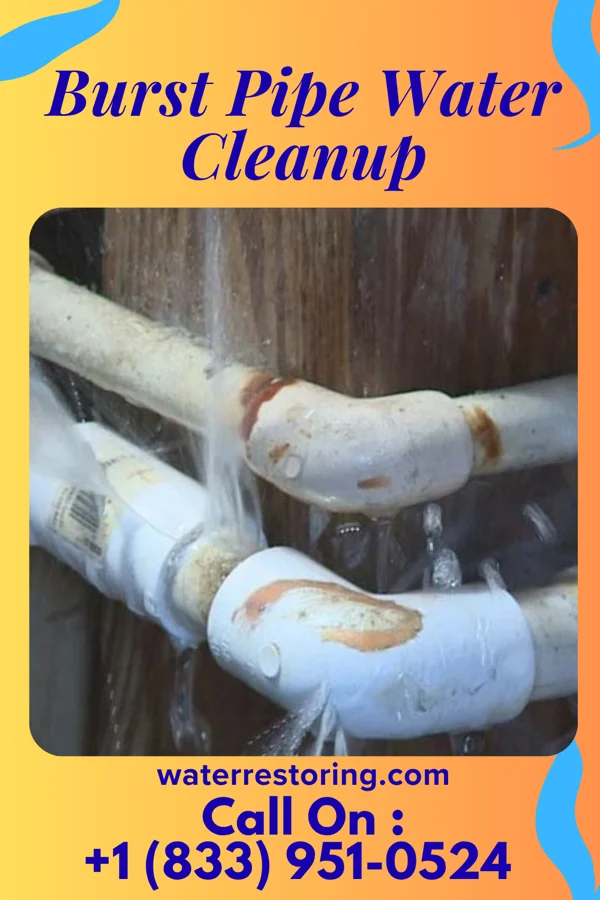
North Amityville Pipe Burst Risk Drivers
Water damage in North Amityville tends to cluster in predictable windows because of the local climate. North Amityville, located in Suffolk County, experiences a mix of suburban and residential development, which can lead to aging infrastructure in older neighborhoods. The proximity to Amityville and North Lindenhurst means some areas may have outdated plumbing systems, increasing the risk of burst pipes during temperature fluctuations or heavy usage. A close second is The area's suburban layout often includes single-family homes with underground water lines that can be vulnerable to freezing in winter or pressure surges from nearby industrial zones. Additionally, the area's proximity to the Long Island Sound contributes to high humidity levels, which can affect pipe integrity over time..
The combination of high humidity and frequent rainfall in North Amityville increases the likelihood of water-related pipe issues. Homeowners should be vigilant about maintaining their plumbing systems, especially during seasonal shifts that can stress aging infrastructure.
The combination of high humidity and frequent rainfall in North Amityville increases the likelihood of water-related pipe issues. Homeowners should be vigilant about maintaining their plumbing systems, especially during seasonal shifts that can stress aging infrastructure. The dominant local driver is North Amityville, located in Suffolk County, experiences a mix of suburban and residential development, which can lead to aging infrastructure in older neighborhoods. The proximity to Amityville and North Lindenhurst means some areas may have outdated plumbing systems, increasing the risk of burst pipes during temperature fluctuations or heavy usage., with The area's suburban layout often includes single-family homes with underground water lines that can be vulnerable to freezing in winter or pressure surges from nearby industrial zones. Additionally, the area's proximity to the Long Island Sound contributes to high humidity levels, which can affect pipe integrity over time. showing up as the next most common cause. Damage builds in stages. Spread. Absorption. Microbial growth. Structural compromise. Every stage you pass through adds to the final bill.
For public guidance on the health effects of mold after prolonged water exposure, see the EPA mold and health page.